Buying a home is a major financial and emotional commitment, particularly for first-time buyers who may not be familiar with construction standards or hidden property risks. While a house may appear well-maintained during an open inspection, serious issues can exist beneath the surface. A residential building inspection provides clarity by uncovering these hidden problems before contracts are finalised.
For buyers in South Australia, arranging a pre-purchase building inspection Adelaide professionals provide is a crucial step in protecting your investment. This guide explains exactly what is covered in a residential building inspection, how the process works, and why it is essential before purchasing any property.
Understanding Residential Building Inspections
A residential building inspection is designed to give buyers an independent and professional assessment of a property’s condition. It focuses on safety, structure, and visible defects rather than cosmetic appearance.
What Is a Residential Building Inspection?
A residential building inspection is a detailed visual assessment of a property’s accessible areas conducted by a qualified residential building inspector. The inspection examines structural components, roofing, plumbing, and electrical systems, and signs of deterioration. Its purpose is to identify major defects, safety hazards, and maintenance issues that could impact the property’s value or usability. The inspection is non-invasive, meaning no damage is caused to the property during the assessment.
Who Should Get a Building Inspection?
Anyone purchasing a residential property should arrange a pre-purchasing property inspection, regardless of the property’s age or condition. First-time buyers benefit by understanding potential risks before committing financially. Investors and repeat buyers also rely on inspections to assess repair costs and long-term maintenance requirements. Even properties that appear modern or recently renovated can hide serious defects.
When Should a Building Inspection Be Done?
A residential building inspection should be completed before the final purchase decision is made. Most buyers organise pre-purchase inspections of Adelaide services during the cooling-off period or include inspection conditions in the contract. This timing allows buyers to review the findings, seek advice, and negotiate, if necessary, without pressure.
The Role of a Professional Building Inspector in Adelaide
The accuracy of a building inspection depends heavily on the inspector’s experience, training, and independence. Choosing the right professional ensures reliable results.
Private Building Inspector vs General Inspector
A private building inspector works independently and does not benefit from repair work or property sales. This independence ensures the inspection of findings is unbiased and solely focused on the buyer’s interests. General inspectors may lack the depth of construction knowledge required for detailed building inspections, particularly when assessing structural integrity and compliance issues.
Qualifications of a Residential Building Inspector
A qualified residential home inspector typically has a background in building, construction, or engineering. They understand Australian Standards, South Australian building codes, and common construction practices. This expertise enables them to identify structural defects, poor workmanship, and safety hazards that may be overlooked by untrained individuals.
Choosing the Best Building Inspector Adelaide
Selecting the best building inspector Adelaide buyers trust involves checking qualifications, experience, and reporting quality. A reputable inspector provides clear explanations, high-quality photographs, and practical recommendations. Transparent communication is especially important for first-time buyers who may be unfamiliar with technical terminology.
Structural Defects Check and Building Integrity
Structural integrity is one of the most important aspects assessed during a residential building inspection. Structural defects can compromise safety and lead to costly repairs.
Foundations, Walls, and Load-Bearing Elements
Inspectors assess foundations, walls, columns, and other load-bearing elements for signs of movement or damage. Uneven floors, misaligned doors, or wall distortion can indicate structural stress. Identifying these issues early allows buyers to understand the long-term implications and potential repair costs associated with the property.
Cracks, Movement, and Structural Stability
Cracks are common in many homes, but not all cracks are harmless. A structural defects check evaluates the size, pattern, and location of cracks to determine their cause. Movement related to soil conditions, moisture changes, or poor construction may indicate serious stability concerns that require further investigation.
New Construction Inspection vs Older Homes
A new construction inspection focuses on ensuring the property has been built according to approved plans and standards. Older homes are assessed for age-related wear, previous repairs, and ongoing maintenance issues. Both types of inspections are essential for identifying risks that could affect safety or resale value.
Roof Inspection and External Building Elements
The roof and exterior protect the home from weather exposure. Defects in these areas often lead to water damage and internal deterioration.
Roof Coverings, Gutters, and Drainage
A roof inspection involves checking tiles or metal sheets, flashing, gutters, and downpipes for damage or blockages. Cracked tiles, rusted metal, or poor drainage can allow water to enter the home. Roof-related issues are often expensive to repair, making this inspection component especially important.
Exterior Walls, Windows, and Doors
Inspectors examine exterior walls, windows, and doors for cracks, gaps, and deterioration. Poor sealing can allow moisture ingress and reduce energy efficiency. Structural issues in these areas may also affect security and weather resistance.
Signs of Water Damage and Weather Exposure
Water damage is a common issue identified during residential building inspections. Inspectors look for mould, timber rot, and staining caused by prolonged moisture exposure. Early detection helps prevent further deterioration and protects the structural integrity of the home.
Plumbing and Electrical Inspection Overview
Plumbing andelectrical systems are essential to a home’s safety and daily functionality. Defects in these systems can pose serious risks.
Plumbing andElectrical System Checks
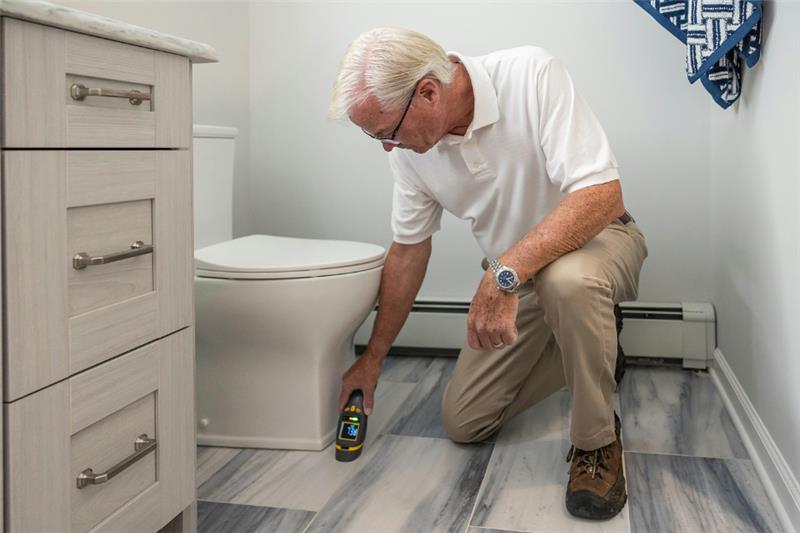
Inspectors assess visible plumbing and electrical components for signs of damage, corrosion, or poor installation. This includes fixtures, exposed pipes, switches, and wiring. Although inspections are non-invasive, visible defects often indicate larger underlying issues.
Water Pressure, Leaks, and Drainage
Plumbing inspections identify leaking pipes, inadequate water pressure, and poor drainage. These issues can indicate hidden pipe damage or blockages within walls or under floors. Addressing plumbing problems early helps prevent water damage and costly future repairs.
Electrical Safety and Compliance Issues
Electrical inspections focus on outdated wiring, overloaded circuits, and unsafe installations. Inspectors identify visible hazards that could pose fire or shock risks. Findings may recommend further assessment by a licensed electrician to ensure compliance and safety.
Pest Inspection and Termite Risks in Adelaide
Pests are a significant concern for residential properties in South Australia. Termites can cause extensive structural damage if left undetected.
Pest Inspection Adelaide Explained
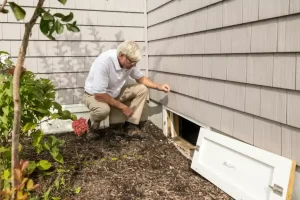
A pest inspection of Adelaide service involves checking for signs of rodents, insects, and timber-destroying pests. Inspectors assess visible damage, nesting activity, and environmental conditions that attract pests. Early detection helps prevent serious long-term damage.
Termite Inspection and Termite Inspection Adelaide
A termite inspection focuses on identifying termite activity, damage, and risk factors. Termite inspection Adelaide services are essential due to the region’s climate and soil conditions. Identifying termite risks before purchasing can save buyers from significant repair costs.
Building and Pest Inspection Combined Benefits
A combined building and pest inspection provides a comprehensive assessment in one report. Conducted by a qualified building and pest inspector, it ensures that both structural defects and pest activity are identified. This approach saves time and provides a complete understanding of the property’s condition.
What Is Not Included in a Standard Building Inspection
While inspections are thorough, buyers should understand their limitations to avoid misunderstandings.
Cosmetic Issues vs Structural Defects
Residential building inspections do not cover cosmetic concerns such as paint finishes, décor, or minor surface imperfections. The focus is on structural safety, major defects, and functional systems. Cosmetic issues are considered maintenance matters rather than inspection concerns.
Areas Not Readily Accessible
Inspectors cannot assess areas that are unsafe or inaccessible, such as sealed roof cavities or concealed wall spaces. These limitations are clearly documented in the report. Buyers may choose additional inspections if concerns remain.
Specialist Reports and Further Testing
Some issues may require specialist assessment, such as asbestos testing or engineering reports. Inspectors provide recommendations when further testing is advisable. This ensures buyers are fully informed before making decisions.
Conclusion
Contact us for a residential building inspection that is a vital step for anyone purchasing a home in Adelaide. From structural defects checks and roof inspection to plumbing andelectrical assessments and termite inspection Adelaide services, a professional inspection provides clarity and confidence. Whether arranging a pre-purchase inspection, pre-purchase inspections in Adelaide, or a combined building and pest inspection, choosing an experienced inspector protects your investment.