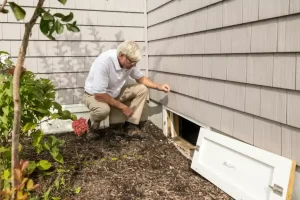

Adelaide has seen steady growth in both new commercial developments and the refurbishment of existing buildings. With this growth comes the need for consistent, high-quality inspection processes that help buyers and managers remain compliant with South Australian building regulations.
A commercial building inspection in Adelaide forms a critical part of risk management. It helps determine whether a property has structural defects, compliance issues, or hidden maintenance weaknesses. For investors, this information is invaluable when negotiating purchase prices or estimating future repair costs.
The stakeholders who benefit the most include property managers, developers, commercial landlords, and investors. Accurate inspections ensure long-term asset performance and safer operating conditions for tenants and employees.
2. What Is a Commercial Building Inspection?
A commercial building inspection is a comprehensive, structured evaluation of a commercial property carried out by a qualified and independent building inspector. Unlike a basic visual check, it involves examining all accessible areas to determine the building’s structural condition, safety compliance, and operational suitability.
These inspections apply to a wide range of commercial buildings, including:
- Warehouses
- Office buildings
- Retail shops and centres
- Restaurants and hospitality venues
- Industrial or manufacturing sites
Professional building inspectors assess structural elements, electrical systems, plumbing, HVAC, fire safety equipment, roofing, drainage, and accessibility. Their expertise ensures that issues are identified before they escalate, reducing liability and maintenance costs.
Whether you hire a private building inspector, an independent building inspector Adelaide, or a specialist in detailed building inspections, the goal is the same: identify defects early and maintain compliance with the Building Code of Australia.
3. Why Commercial Property Inspections
Adelaide has strict building safety, structural, and compliance requirements. A neglected inspection can expose owners or managers to financial loss, legal complications, or operational hazards. As commercial tenants rely heavily on safe, functional workspaces, thorough assessments are essential.
Due diligence is especially important before purchasing or leasing. Buyers often request pre-purchasing property inspection services to reveal hidden building defects, structural movement, roof issues, inadequate fire systems, or outdated electrical installations. A high-quality inspection reduces uncertainty and strengthens negotiation of power.
Inspection findings also help with long-term planning. Property managers use reports to forecast maintenance budgets, schedule upgrades, and prioritise safety improvements—ultimately saving thousands of dollars over the building’s lifespan.
4. Types of Commercial Inspections
Commercial buildings vary in size, complexity, and purpose. Because of this, inspection requirements differ depending on the property type. Below are the most common commercial inspections in Adelaide.
Before exploring each type in detail, it’s important to know that a professional commercial building inspector in Adelaide tailors the assessment based on the building’s intended use and risk profile.
4.1 Warehouse Inspection
Warehouses are large-scale facilities used for storage, logistics, and manufacturing. Due to their size and the nature of their operations, warehouse inspections require specialised knowledge.
Common warehouse risks include:
- Compromised structural frames or beams
- Roof leaks, guttering issues, and skylight deterioration
- Fire safety system failures
- Poor ventilation or lighting
- Loading dock damage or uneven flooring
A warehouse inspection ensures the building can safely support equipment, inventory, machinery, and staff. For businesses handling large stock volumes or heavy machinery, identifying structural issues early prevents disruptions and workplace accidents.
4.2 Office Building Inspection
Office buildings require regular assessments to ensure a comfortable, compliant, and safe working environment. These inspections examine a wide range of components.
Key areas assessed include:
- Electrical systems, switchboards, and wiring
- HVAC efficiency and maintenance condition
- Accessibility compliance for staff and visitors
- Plumbing fixtures, bathrooms, and sanitary areas
- Fire exits, alarms, smoke detectors, and evacuation routes
For property managers responsible for multi-story buildings, an office building inspection ensures tenants remain safe and operational. Regular evaluations also help maintain property value and reduce complaints or maintenance escalations.
4.3 Dilapidation Reports
A dilapidation report documents the exact condition of a commercial building before nearby construction or excavation work begins. These reports help protect owners, tenants, and contractors from future disputes.
Dilapidation reports are essential when:
- A new development is commencing next door
- Roadworks or council projects are planned nearby
- A lease agreement is starting or ending
- Heavy machinery will be operating close to your structure
These reports offer photographic and written documentation of all existing cracks, defects, or structural issues. This prevents blame from being placed on the wrong party if damage appears later.
5. What Inspectors Look For: Key Assessment Areas
Commercial properties contain many interconnected systems that must operate safely and efficiently. A qualified building inspector in Adelaide examines every accessible area to detect hazards, defects, or non-compliant structures.
Structural Condition
Inspectors review foundations, walls, floors, ceilings, and roofing. Structural defects can lead to costly repairs and safety risks, so early detection is crucial.
Compliance with Australian Standards
Commercial buildings must meet design, safety, and accessibility requirements. Inspectors check compliance with the Building Code of Australia, WHS guidelines, and local council regulations.
Fire & Safety Systems
Fire safety is mandatory for all commercial spaces. Inspections check alarms, extinguishers, emergency lighting, fire exits, sprinkler systems, and evacuation routes.
Electrical, Plumbing & Drainage Systems
Inspectors examine wiring, switchboards, fixtures, hot water systems, drainage, and sewer connections. Faulty systems can lead to water damage, fire risk, or business downtime.
Environmental & Accessibility Requirements
This includes identifying asbestos, mould, ventilation issues, and compliance with disability access standards.
Defect Identification & Recommendations
Inspectors provide detailed insights into defects and recommend repairs, upgrades, or safety measures to resolve issues efficiently.
6. The Commercial Inspection Process: Step-by-Step
A commercial inspection follows a structured, repeatable process that ensures consistency and accuracy. Whether you require a new construction inspection, a pre-purchase building inspection, or general building inspection services, the steps remain similar.
1. Initial Consultation
The inspector gathers information about the property’s age, layout, usage, and any concerns the owner or investor may have.
2. On-Site Assessment
Using advanced tools such as thermal imaging, moisture meters, structural probes, and digital cameras, inspectors examine all accessible components.
3. Photo Documentation
Photos highlight issues such as cracks, water intrusion, corrosion, electrical concerns, or safety hazards. They make the final report easy to understand.
4. Detailed Building Inspection Report
The inspector compiles a comprehensive report outlining findings, defects, compliance issues, and maintenance priorities.
5. Explanation of Findings
Inspectors guide clients through the report, helping them understand the property’s condition and the recommended next steps.
7. Compliance Requirements in Adelaide
Adelaide’s commercial buildings must comply with strict construction, safety, and operational standards. Failure to meet these obligations can result in fines, insurance issues, or business disruptions.
Key compliance components include:
Building Codes & Australian Standards
Commercial buildings must comply with structural, electrical, fire safety, and accessibility codes for legal operation.
Work Health & Safety (WHS)
Business owners and managers have a legal duty to ensure their premises are safe for staff, tenants, and visitors.
Strata & Tenancy Obligations
Multi-tenant properties must maintain common areas, building services, and emergency exits.
Consequences of Non-Compliance
Penalties, legal disputes, operational shutdowns, and increased liability of exposure can arise if a building is not compliant.
8. How Inspection Reports Support Property Decisions
Inspection reports are invaluable tools for evaluating commercial property risks and planning future investments. Whether you’re considering a pre-purchase building and pest inspection, a commercial property inspection near me, or a long-term maintenance strategy, reports offer essential insights.
Negotiation Power
Reports help buyers negotiate better prices or ask sellers to fix defects before settlement.
Financial Planning
Property managers can budget for repairs, upgrades, and preventative maintenance based on the findings.
Investment Strategy
Long-term asset planning is easier when you understand the true condition of your building.
Liability Reduction
A compliant, well-maintained building reduces legal risks and improves workplace safety.
9. Choosing the Right Commercial Inspector in Adelaide
Selecting the right inspector ensures accurate results and trustworthy recommendations. Whether you’re searching for the best building inspector in Adelaide, a building inspector commercial, or a residential building inspector, the same principles apply.
Experience & Licensing
Choose a licensed, experienced inspector who understands both residential and commercial structures.
Specialised Commercial Knowledge
Commercial properties are more complex than residential buildings, so industry expertise is essential.
Independent & Unbiased Reporting
An independent building inspector Adelaide provides objective assessments without conflicts of interest.
Local Adelaide Knowledge
Inspectors’ familiar with Adelaide’s building conditions, soil movement, and council standards provide more reliable assessments.
Working with trusted companies such as One Stop Inspections ensures you receive comprehensive, transparent, and timely reports tailored to your building needs.
10. Conclusion
A commercial building inspection in Adelaide is one of the most valuable investments a property owner, developer, or investor can make. It helps safeguard your financial interests, ensures compliance with Australian Standards, and provides clarity on the true condition of your asset. Whether you need warehouse inspections, office building assessments, building and pest inspections, or specialised dilapidation reports, professional inspectors ensure your property remains safe, compliant, and suitable for commercial use.
Contact us today to schedule a thorough commercial building inspection and protect your investment with expert advice from our qualified team.
With Adelaide’s commercial sector expanding, now is the ideal time for property managers and investors to priorities through inspections. By partnering with a qualified commercial building inspector, you ensure your property is well-maintained, legally compliant, and protected from long-term risks.