
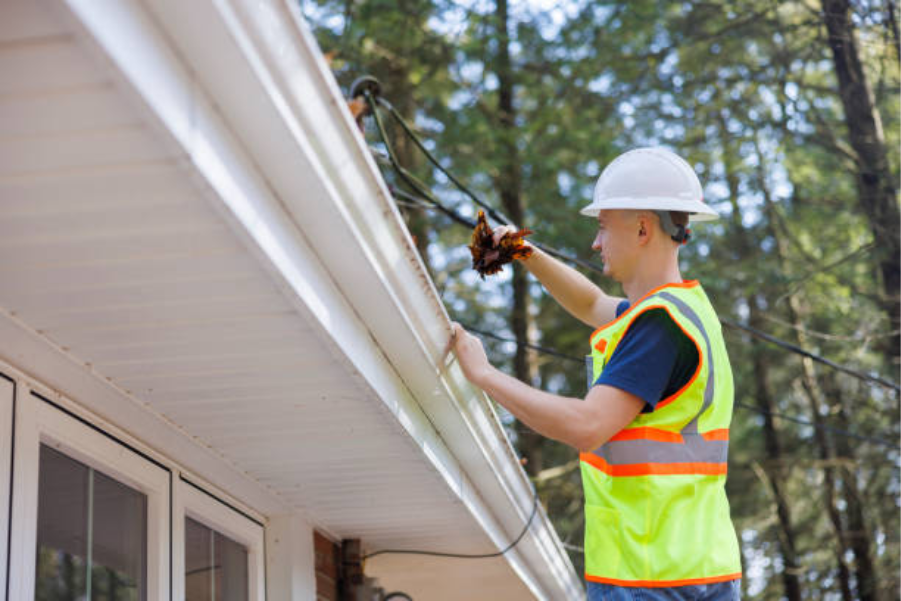
When it comes to investing in or leasing commercial real estate, understanding the condition of the property is critical. A detailed inspection helps identify existing issues, future risks, and areas needing maintenance. If you’re asking, “What are the main components evaluated in commercial building inspections?”, you’re already on the right path to protecting your investment.
At One Stop Inspections, our mission is to provide accurate, professional, and clear Property Inspections that help commercial property stakeholders make confident decisions. In this article, we’ll break down the key areas assessed during a commercial property inspection to give you a clearer view of what our experienced commercial building inspector examines and why it matters.
1. Structural Integrity
Structural integrity is one of the most important components of any commercial building inspection. It ensures that the building is safe for occupants and suitable for business operations.
Key Elements Evaluated:
- Foundation: Cracks, moisture ingress, or signs of settlement are carefully examined.
- Load-bearing walls and beams: These components must be free of damage or distortion to maintain overall building stability.
- Floors and ceilings: Inspectors look for sagging, cracks, and structural wear that may indicate underlying problems.
Even seemingly minor structural issues can evolve into serious safety hazards over time. By identifying them early through a thorough Property Inspection, you can prevent long-term damage and costly repairs.
2. Roofing Systems
The roof is a major barrier against weather-related damage. It must be inspected closely to ensure it is in sound condition and compliant with local building codes.
What the Inspector Looks For:
- Membrane condition (if applicable)
- Drainage systems
- Signs of leaks or water damage
- Flashings and seals
- Visible deterioration, punctures, or bubbling
Roofing issues often go unnoticed until they result in interior damage. A commercial building inspector is trained to identify early warning signs and help you avoid future disruptions.
3. Exterior Components and Cladding
The exterior of a commercial building isn’t just about curb appeal. It plays a major role in weatherproofing, insulation, and building safety.
Key Areas Reviewed:
- Facade and wall cladding
- Windows and seals
- Doors and locks
- Parking lots, loading docks, and exterior lighting
- Stairs, handrails, and ramps
Cracked render, rust, improper drainage, and poor sealing are common issues. During Property Inspections, these components are inspected to determine whether they meet current safety and maintenance standards.
4. Interior Spaces and Surfaces
A detailed interior inspection provides insights into how well the building has been maintained and whether any defects exist that could affect day-to-day use.
Inspected Elements:
- Walls, ceilings, and flooring
- Interior doors and locks
- Presence of mould, mildew, or moisture
- Fire damage or water staining
- Fixtures and fittings
Beyond aesthetics, interior inspections focus on signs of wear that could affect tenant satisfaction or operational safety.
5. HVAC Systems
Heating, ventilation, and air conditioning (HVAC) systems are essential for creating a comfortable and compliant business environment.
What Is Assessed:
- Unit functionality
- Ductwork condition
- Thermostat controls
- Ventilation quality and airflow
- Maintenance records
Improperly functioning HVAC systems can affect energy efficiency, employee comfort, and even regulatory compliance. Your commercial building inspector will test systems where accessible and note any areas needing professional servicing.
6. Electrical Systems
Electrical infrastructure is a key concern for every commercial property owner and tenant. Faulty wiring or overloaded circuits can pose serious safety risks, including fire hazards.
Areas Evaluated:
- Main switchboards and subpanels
- Circuit breakers and fuses
- Wiring integrity
- Outlet condition and placement
- Lighting fixtures and emergency lighting
The Commercial Property Inspection report will indicate if the electrical systems meet current codes, and whether professional upgrades or repairs are advised.
7. Plumbing and Drainage
Plumbing systems in commercial buildings must support the needs of all occupants and processes, from restrooms to break rooms to industrial use.
What Inspectors Review:
- Visible piping for leaks or corrosion
- Toilets, sinks, and taps
- Water pressure and drainage efficiency
- Hot water systems
- Grease traps (if applicable)
Issues like slow drains or leaking pipes can disrupt business operations and lead to expensive downtime. That’s why comprehensive plumbing assessments are an essential part of all commercial Property Inspections.
8. Safety Systems
Every commercial building must comply with local and national safety regulations. A qualified commercial building inspector will thoroughly examine all systems designed to protect occupants in case of emergency.
Inspected Safety Components:
- Smoke alarms and detectors
- Fire extinguishers and hoses
- Emergency lighting
- Exit signage
- Sprinkler systems and alarms
Safety systems must not only be present but also fully operational and compliant with code. Missing, outdated, or damaged safety components are red flags that will be documented in the inspection report.
9. Accessibility Compliance
In today’s regulatory environment, accessibility compliance is essential for both legal and ethical reasons. Businesses must ensure their premises are accessible to all employees, customers, and visitors.
Accessibility Checks Include:
- Ramp gradients and entry points
- Elevator access (if applicable)
- Toilet and washroom facilities
- Signage and navigation aids
- Parking spaces and pathways
Failure to meet accessibility standards can result in penalties and lost business opportunities. During your Property Inspection, this aspect is thoroughly reviewed.
10. Environmental and Site Conditions
Although less obvious than structural or mechanical systems, the surrounding environment and site conditions also impact the functionality and value of a commercial property.
Assessed Factors:
- Site drainage and runoff
- Vegetation and landscaping
- Pest infestations
- Surrounding hazards (e.g., overhanging trees, nearby construction)
- Soil erosion or subsidence signs
Environmental assessments help determine whether the site supports the ongoing use of the property and reveals any risks that may need mitigation.
Why a Commercial Building Inspector Is Essential
Hiring a qualified commercial building inspector is not just a formality it’s a strategic move. Commercial buildings are complex systems with multiple interrelated components. A professional inspector has the training, tools, and experience to spot issues that a layperson might overlook.
Comprehensive Property Inspections give buyers, tenants, and owners the confidence to move forward with negotiations, leases, or maintenance plans. By addressing key areas such as structural integrity, electrical and plumbing assessments, HVAC systems, safety systems, and accessibility compliance, an inspection empowers stakeholders to make informed and compliant decisions.
Conclusion: Understanding Commercial Property Inspections
If you own, lease, or are considering purchasing a commercial property, a thorough inspection is one of the most important steps you can take. Understanding what the main components are evaluated in commercial building inspections helps you appreciate the depth and value of a professional inspection.
From HVAC systems to structural integrity, every component plays a role in the safety, compliance, and longevity of the property. Choosing a trusted commercial building inspector ensures that your investment is well-protected and future proofed.
At One Stop Inspections, we deliver expert Property Inspections that help commercial property stakeholders make confident, informed decisions. Contact us today to schedule your inspection and gain peace of mind.
Frequently Asked Questions
A commercial inspection evaluates structural integrity, roofing, HVAC systems, electrical and plumbing systems, safety features, accessibility compliance, and site conditions.
Structural integrity determines whether the building is safe and suitable for use. Issues like foundation cracks or damaged support beams can compromise safety and lead to costly repairs.
Yes, HVAC systems are closely inspected for performance, maintenance needs, and compliance with safety and energy standards.
Inspectors examine visible wiring, outlets, lighting, circuit breakers, piping, drainage, and fixtures to ensure safety and operational efficiency.
Routine inspections help identify small issues before they become major problems, ensure code compliance, and maintain property value over time.
Subscribe To Our Newsletter
Get updates and learn from the best
More To Explore
Why Choose One Stop Inspections for Your Property Needs
Buying property is one of the biggest investments you will make in your lifetime. Whether you are a first-time buyer or an experienced investor, understanding the true condition of a property is essential before committing the purchase. This is where One Stop Inspections in Adelaide becomes a trusted partner. With professional expertise, reliable reporting, and comprehensive inspection services,
Meet the Expert Inspectors Behind One Stop Inspections
Property inspections are an essential part of buying, selling, or maintaining a property. Whether you are a first-time home buyer, an experienced investor, or a commercial property owner, professional inspections provide valuable insights into the condition of a building. The team behind One Stop Inspections consists of highly trained building inspection experts Adelaide property owners’ trust. Their knowledge, experience, and commitment to quality